Suicide Prevention
Why Do People Attempt Suicide?
A suicide attempt is a clear indication that something is gravely wrong in a person's life. No matter the race or age of the person, how rich or poor they are, it is true that most people who die by suicide have a mental or emotional disorder. The most common underlying disorder is depression— often undiagnosed, untreated, or undertreated.
| |
 |
Warning Signs of Someone Considering Suicide
Any one of the following signs does not necessarily mean the person is considering suicide, but any sign(s) may signal a need for help and should be taken seriously.
|
| |
- Verbal suicide threats such as "You'd be better off without me." or "Maybe I won't be around."
- Expressions of hopelessness and helplessness
- Previous suicide attempts
- Daring or risk-taking behavior
- Personality changes
- Depression
- Giving away prized possessions
- Lack of interest in future plans
Remember: Eight out of ten people considering suicide give some sign of their intentions. People who talk about suicide, threaten suicide, or call suicide crisis centers are 30 times more likely than average to kill themselves.
- Trust your instincts that the person may be in trouble.
- Talk with the person about your concerns. Communication needs to include LISTENING.
- Ask direct questions without being judgmental. Determine if the person has a specific plan to carry out the suicide—the more detailed the plan, the greater the risk.
- Get professional help, even if the person resists.
- Do not leave the person alone.
- Do not swear to secrecy.
- Do not act shocked or judgmental.
- Do not counsel the person yourself.
|
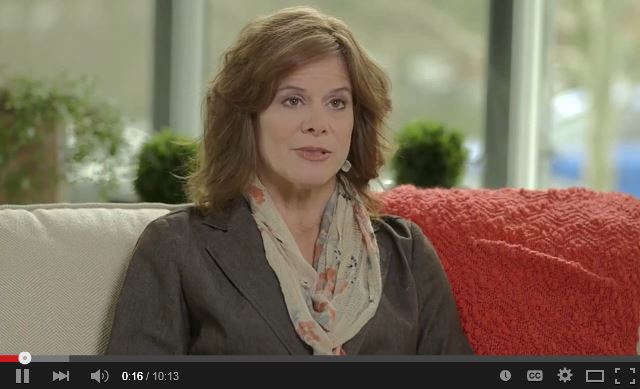 |
| Take 10 minutes to see the impact of QPR Suicide Prevention training through "MHA and the DavidsonLifeline," and why everyone should learn these life-saving skills! |
|
(SOURCE: Mental Health America) More Facts
To learn more about preventing suicide, contact the MHA to schedule Question, Persuade, and Refer (QPR) Suicide Prevention Training. This gatekeeper training can be offered in as little as one hour and can help anyone recognize a crisis and warning signs that someone may to contemplating suicide. Like CPR, the application of QPR may save a life! Better still, attend or schedule Mental Health First Aid - an 8-hour course.
IF YOU ARE IN CRISIS AND NEED IMMEDIATE HELP, please call
1-800-273-TALK (8255) or 911.
|
Suicide News |
 | Local Officer's Compassionate Use of Mental Health First Aid Read More |
| |
| MHA's Annual Volunteer and Community Awards Read More |
| |
| Nearly 2,000 CMPD Complete Mental Health First Aid Training Read More |
| |
|