

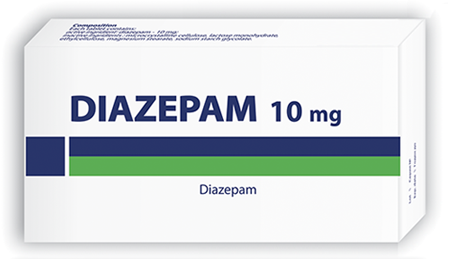
| Drug Name: | Valium (Diazepam) |
|---|---|
| Tablet Strength: | 60 pills x 10 mg |
| Best Price: | $209.40 (Per Pill $3.49) |
| Where to buy Online Safely: | OnlinePharmacy |
Valium (diazepam), is a medication from the benzodiazepine class that acts as an anxiolytic. It is widely used to treat anxiety disorders, alcohol withdrawal symptoms, muscle spasms and seizures. Valium works by enhancing the effects of a specific neurotransmitter in the brain (GABA), which has a calming effect on the nervous system.
Valium is often prescribed for the short-term relief of severe anxiety.
It helps alleviate the symptoms of alcohol withdrawal.
Valium is used to relieve muscle spasms and spasticity.
It is used for the treatment of seizures, especially in epilepsy.
Valium (diazepam) is widely used to treat various mental illnesses and conditions. Specifically, it is prescribed for the following disorders:
Valium is often used for short-term treatment of anxiety disorders. It helps reduce feelings of anxiety and nervousness, improving the patient's overall condition.
For panic attacks, diazepam can be effective in quickly alleviating symptoms such as rapid heartbeat, sweating, and intense fear.
Although Valium is not the primary treatment for depression, it can be used in combination with other medications to treat accompanying symptoms such as anxiety and sleep disturbances.
Valium helps to alleviate alcohol withdrawal symptoms such as anxiety, tremors, seizures, and irritability. It is used during detoxification and in the initial stages of alcoholism treatment.
Valium may be prescribed to control symptoms of mania and hypomania as part of a comprehensive treatment for bipolar disorder, although this is not its primary use.
Diazepam is used to treat seizures associated with epilepsy and other neurological conditions, including febrile seizures in children.
Valium, is available in multiple forms to cater to different medical needs. The most common form is the oral tablet, which is typically used for treating anxiety, muscle spasms, and seizures. These tablets come in various strengths, including 2 mg, 5 mg, and 10 mg, allowing for precise dosing based on the patient’s requirements.
Another form is the oral solution, which is beneficial for patients who have difficulty swallowing pills. This liquid form can be measured accurately using a dropper or a measuring spoon, ensuring the patient receives the correct dose.
For situations requiring quick action, such as acute seizures, Valium is available as a rectal gel. This form is easy to administer and provides rapid relief, making it suitable for emergency use, especially in epilepsy patients.
In clinical settings, Valium can also be administered as an injectable solution. This form is given intramuscularly (IM) or intravenously (IV) and is often used for immediate treatment in hospitals, providing rapid onset of action when necessary.
These varied forms ensure that Valium can be used effectively across different scenarios, making it a versatile medication in medical practice.
Before starting Valium, it is essential to have a comprehensive understanding of the medication and its implications.
Consulting a healthcare provider is crucial before beginning treatment with Valium. They will evaluate your medical history, current medications, and any underlying conditions to determine if Valium is appropriate for you. It is important to disclose any history of substance abuse, as Valium has the potential for dependence and misuse.
Understanding the correct dosage and administration is vital. Valium should be taken precisely as prescribed by your healthcare provider. Dosages can vary widely based on the condition being treated, the patient's age, and their response to the medication.
Avoiding alcohol and other central nervous system depressants while taking Valium is important, as these can enhance the sedative effects and increase the risk of severe side effects. Additionally, patients should be aware of the potential for impaired coordination and should avoid activities that require full alertness, such as driving or operating heavy machinery.
Regular follow-up appointments with your healthcare provider are necessary to monitor the effectiveness of the treatment and make any necessary adjustments. This ensures that the medication is working as intended and helps mitigate any potential risks.
Side effects can vary from mild to severe and may include drowsiness, fatigue, and muscle weakness. Some patients might experience dizziness or light-headedness, especially when standing up quickly.
More serious side effects, although less common, can also occur. These include:
In rare cases, Valium can cause paradoxical reactions such as:
Long-term use of Valium can lead to:
Patients should also be aware of signs of allergic reactions, such as:
If any of these side effects occur, especially the severe or rare ones, it is important to contact your healthcare provider immediately for guidance and potential adjustments to the treatment plan.
Valium should be used strictly as prescribed by a healthcare provider. The dosage and frequency depend on the condition being treated, the patient’s age, weight, and overall health. For anxiety, it is typically taken one to four times a day, while for muscle spasms or seizures, the dosage may differ.
It is important to take Valium at the same time each day to maintain an even level of the medication in your bloodstream. If you miss a dose, take it as soon as you remember, unless it is almost time for your next dose. In that case, skip the missed dose and continue with your regular schedule.
Valium can be taken with or without food. However, if it causes stomach upset, taking it with food or milk might help alleviate this issue. Swallow the tablet whole with a glass of water without crushing or chewing it.
For acute conditions such as seizures, Valium rectal gel or injectable form might be used. These forms should only be administered by someone familiar with the proper technique to ensure safety and effectiveness.
Always follow your healthcare provider’s instructions and do not adjust your dosage without consulting them. Abrupt discontinuation of Valium can lead to withdrawal symptoms, so any changes in dosage should be done gradually under medical supervision.
Valium is typically prescribed for short-term use due to the risks associated with long-term treatment. Prolonged use can lead to tolerance, meaning that over time, higher doses are required to achieve the same therapeutic effect.
Dependence is another significant concern. Patients using Valium for extended periods may develop physical or psychological dependence, making it difficult to stop using the medication. Withdrawal symptoms can occur if Valium is abruptly discontinued, which can include anxiety, restlessness, and seizures.
There are situations where long-term use of Valium may be justified, such as in the management of chronic conditions under close medical supervision. In such cases, the benefits and risks must be carefully weighed, and regular monitoring is essential to adjust the treatment as needed.
Long-term use can also lead to cognitive impairment. Studies have shown that extended use of benzodiazepines can affect memory, attention, and other cognitive functions. This is particularly concerning for older adults, who may be more susceptible to these effects.
Avoiding dependence and addiction to Valium requires careful adherence to medical advice and responsible use of the medication. Always follow the dosage and schedule prescribed by your healthcare provider. Do not take more than the recommended dose or use it more frequently than prescribed.
Consider non-pharmacological treatments and therapies that can help manage your condition alongside or instead of Valium. Techniques such as cognitive-behavioral therapy, physical therapy, and relaxation exercises can be effective and reduce the need for long-term medication use.
Generic diazepam is widely available across most online pharmacies in the U.S., including major chains. It is essential to have a valid prescription to purchase diazepam, and the medication is typically available in various forms to suit different treatment needs. For the most accurate and up-to-date prices, it is recommended to check with local pharmacies and online resources. These platforms provide tools to compare prices and find the best discounts available in your area.
When considering the purchase of generic diazepam versus Valium, there are notable differences in price and availability. Generic diazepam is significantly cheaper than brand-name Valium. For example, 30 tablets of generic diazepam cost around $12.00, whereas the same quantity of Valium costs about $65.00. This makes the generic version approximately 80% cheaper. Both generic diazepam and brand-name Valium contain the same active ingredient and are considered equally effective. The choice between the two often comes down to personal preference and cost considerations.


